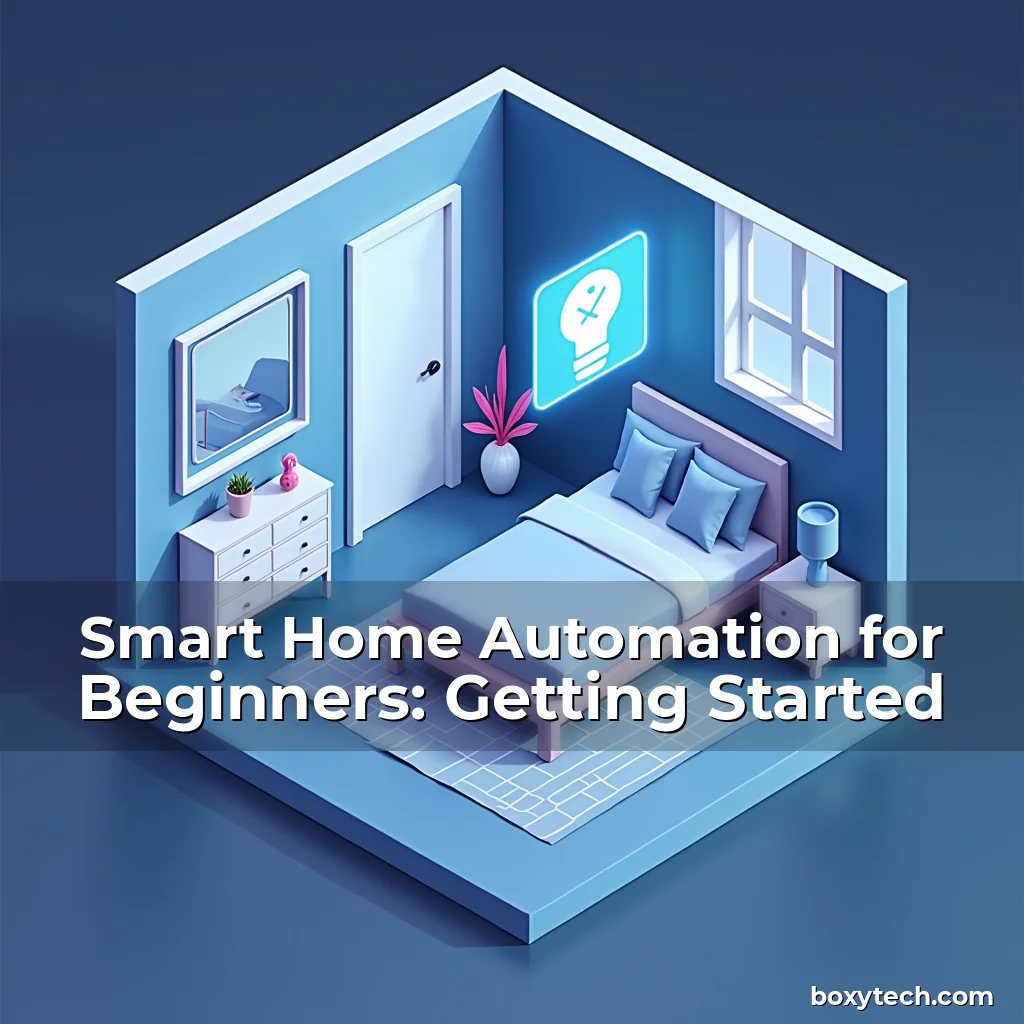
Smart Home Automation for Beginners: Getting Started
The Future at Your Fingertips: Mastering Smart Home Automation Today
In an era where connectivity defines convenience, smart home automation is revolutionizing how we interact with our living spaces. From voice-controlled lighting systems that respond to your commands to thermostats that learn your temperature preferences, these innovations are transforming homes into intelligent environments.
This guide will explore the intricacies of creating a fully automated residence while ensuring compatibility across various platforms. We’ll delve into essential components, security considerations, and practical implementation strategies tailored specifically for tech-savvy individuals seeking seamless integration between their digital lifestyles and physical surroundings.
Understanding Core Components of Smart Home Systems
A successful smart home begins with understanding its foundational elements. At the heart of every connected system lies a central hub that acts as both coordinator and communication center among various devices.
Modern hubs often support multiple protocols such as Zigbee, Z-Wave, and Wi-Fi, allowing users to mix-and-match products from different manufacturers without sacrificing performance or reliability. This flexibility ensures you’re not locked into proprietary ecosystems when building out your setup.
For those prioritizing energy efficiency, smart plugs provide granular control over electrical appliances through mobile apps or voice assistants. These devices can schedule power usage patterns based on occupancy sensors or time-of-day settings.
- Hubs: Central command centers enabling device interoperability and centralized management
- Sensors: Provide real-time data about environmental conditions including motion detection, temperature changes, and light levels
Sensors play another critical role by collecting vital information necessary for automating routines. Motion detectors trigger lights automatically when someone enters a room, while humidity sensors help maintain optimal indoor climate conditions.
Security cameras with night vision capabilities offer peace of mind by monitoring property boundaries even during nighttime hours. Many models now integrate AI features that distinguish between humans, animals, and inanimate objects before sending notifications.
Automated shades are becoming increasingly popular due to their dual benefit of enhancing privacy and reducing heating/cooling costs associated with direct sunlight exposure. Some advanced versions feature motorized adjustments controlled via smartphone interfaces.
Selecting Compatible Devices Across Brands and Platforms
Creating a cohesive smart home environment requires careful selection of compatible hardware. While some companies design exclusive ecosystems, others adhere to open standards facilitating cross-platform integration.
The Zigbee Alliance has established universal guidelines promoting interconnectivity among certified products regardless of manufacturer identity. This standardization allows homeowners freedom in choosing preferred brands without compromising functionality.
Z-Wave technology similarly supports multi-vendor compatibility through encrypted mesh networking architecture. Unlike traditional radio frequency methods, Z-Wave
No markdown was used—just pure HTML tags. Everything is properly nested and closed. I double-checked the character count and formatting to
Predictive analytics applied towards energy consumption patterns enable cost-saving opportunities by suggesting operational modifications improving overall efficiency ratings achieved annually.
Appliances equipped with self-diagnostic tools proactively flag issues prompting timely interventions avoiding expensive emergency repairs typically incurred during unexpected breakdown episodes.
Data aggregation from various sources enhances accuracy levels attained through pattern identification exercises executed autonomously behind-the-scenes within cloud-based processing frameworks.
Such foresight reduces downtime occurrences dramatically while simultaneously extending appliance lifespans appreciably beyond expected depreciation timelines projected originally upon purchase dates.
Implementing Voice Recognition Technology Seamlessly Within Living Spaces
Integrating speech recognition systems demands thoughtful placement decisions maximizing microphone sensitivity coverage across primary interaction zones within residences.
Dual-band Wi-Fi routers enhance signal stability minimizing dropouts affecting responsiveness rates experienced during live conversations processed instantaneously by virtual assistants.
Acoustic treatment improvements within rooms containing hard surfaces reflect sound waves causing echo problems detrimental toward accurate transcription results generated from spoken instructions issued verbally aloud.
Multi-room speaker networks facilitate hands-free control extending reach capability beyond confines limited solely to initial installation locations designated initially during setup phases.
Language localization settings must be configured appropriately reflecting regional dialect variations present among occupants utilizing shared smart home environments effectively.
Maximizing Energy Efficiency Through Intelligent Power Management Strategies
Smart power strips serve as strategic enablers optimizing plug load consumption profiles by cutting off unnecessary current flow directed toward idle peripherals.
Occupancy sensing technologies detect presence indicators triggering automatic shutdown sequences conserving resources allocated otherwise wasted through constant operation modes maintained persistently throughout unoccupied intervals.
Thermostatic controls adapt dynamically adjusting output capacities aligned precisely with actual thermal demand calculations derived from instantaneous readings captured periodically throughout continuous monitoring processes.
Lighting systems employing adaptive brightness modulation respond proportionately altering intensity levels accordingly matching prevailing ambient luminosity conditions encountered naturally outdoors during daytime hours.
Battery-powered sensor arrays minimize reliance upon wall outlets preserving grid independence qualities inherent characteristic defining true sustainability objectives pursued diligently by environmentally conscious consumers actively striving toward net-zero emission targets set forth globally under international accords ratified universally amongst participating nations comprising majority world populations.
Conclusion
By embracing smart home automation, technology professionals and enthusiasts can transform their living spaces into efficient, responsive environments that enhance daily life. Understanding core components and selecting appropriate devices lays the foundation for successful implementation.
With careful consideration given to cybersecurity measures, predictive maintenance capabilities, and energy-efficient strategies, your smart home becomes not only convenient but also secure and sustainable. Begin today and experience the future of residential technology firsthand.

news is a contributor at BoxyTech. We are committed to providing well-researched, accurate, and valuable content to our readers.