The Evolving Nature of the Term “Gadget”

Language is a dynamic, ever-changing entity. Words take on new meanings over time, and their original connotations are often lost in the passage of time. The term “gadget” is a prime example of this phenomenon.
Origins of the Word “Gadget”
The word “gadget” likely originated as nautical slang in the mid-1800s. Sailors used it as a placeholder term for tools or items whose names they couldn’t remember. This etymology is often overlooked, but it’s a fascinating insight into the evolution of the word.
Modern Definitions
Today, the Merriam-Webster dictionary defines the word “gadget” as a “small mechanical or electronic device with a practical use but often thought of as a novelty.” This definition encapsulates the essence of the term, highlighting its association with both utility and whimsy.
Synonyms and Antonyms
The term “gadget” has several synonyms, including:
- Appliance
- Gimmick
- Widget
- Gizmo
It’s worth noting that these terms often have slightly different connotations, with “appliance” implying a more functional or practical device, while “gimmick” suggests a device with a more frivolous or attention-grabbing purpose.
Examples of Gadgets
Devices typically classified as gadgets include:
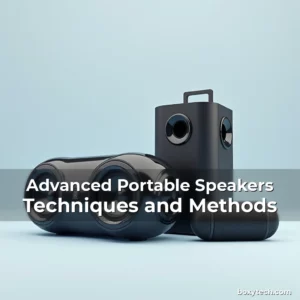
- Portable Bluetooth speakers
- Fitness trackers
- Smart glasses
- Portable power banks
- Handheld gaming consoles like the Nintendo Switch 2
These devices are characterized by their compact size, portability, and practical use. They are often viewed as novelties, and their design prioritizes ease of use and convenience.
Non-Consumer Gadgets
Blood pressure monitors and pulse oximeters are examples of devices that can also be classified as gadgets. These devices are designed to perform a specific task, are compact and portable, and often incorporate modern technology.
Some smart home devices, such as the Amazon Echo, can be considered gadgets. However, devices like smart thermostats are more likely to be classified as home appliances.
Gadgets typically incorporate modern technology to carry out a task more efficiently than traditional methods. For example, an electric shaver is a gadget because it uses technology to shave hair more efficiently and comfortably than a classic cartridge razor.
The difference between a device and a gadget is often blurry. Your smartwatch is a gadget, but your laptop is a device. While laptops serve as multifunctional computing tools, gadgets are designed to perform a specific task and prioritize ease of use and convenience.
- Your smartwatch is a gadget.
- Your laptop is a device.
- A small digital camera is a gadget, but a professional-grade camera used by YouTube creators is a device.
- A clip-on reading light is a gadget, but an LED table lamp is a device.
- A cordless drill is a device, but an electric screwdriver is a gadget.
The line between devices and gadgets is often gray, and it can be challenging to determine where to draw the line.
| Example | Device or Gadget |
|---|---|
| A small digital camera | Gadget |
| A professional-grade camera | Device |
| A clip-on reading light | Gadget |
| An LED table lamp | Device |
“I think the term ‘gadget’ has become somewhat diluted over time, and it’s interesting to see how language is evolving to reflect our changing attitudes towards technology.
—A tech enthusiast
Conclusion
As we’ve explored the evolving nature of the term “gadget,” it’s clear that language is a dynamic and ever-changing entity. The term “gadget” has taken on a new meaning over time, and its connotations have shifted to reflect our changing attitudes towards technology and innovation. While it’s impossible to predict what will be considered a gadget in the future, one thing is certain – the term “gadget” will continue to be a reflection of our changing perceptions of technology and innovation. As we move forward, it’s essential to stay attuned to the evolving language and definitions that shape our understanding of the world around us.

news is a contributor at BoxyTech. We are committed to providing well-researched, accurate, and valuable content to our readers.